Morocco has an advantage in blueberries, but must protect its position
The blueberry sector in Morocco continues to grow, but is entering a more challenging phase. The planted area continues to increase; the 2025/26 season yielded good results for producers despite adverse weather conditions, while new competing origins are beginning to test Morocco's market position.
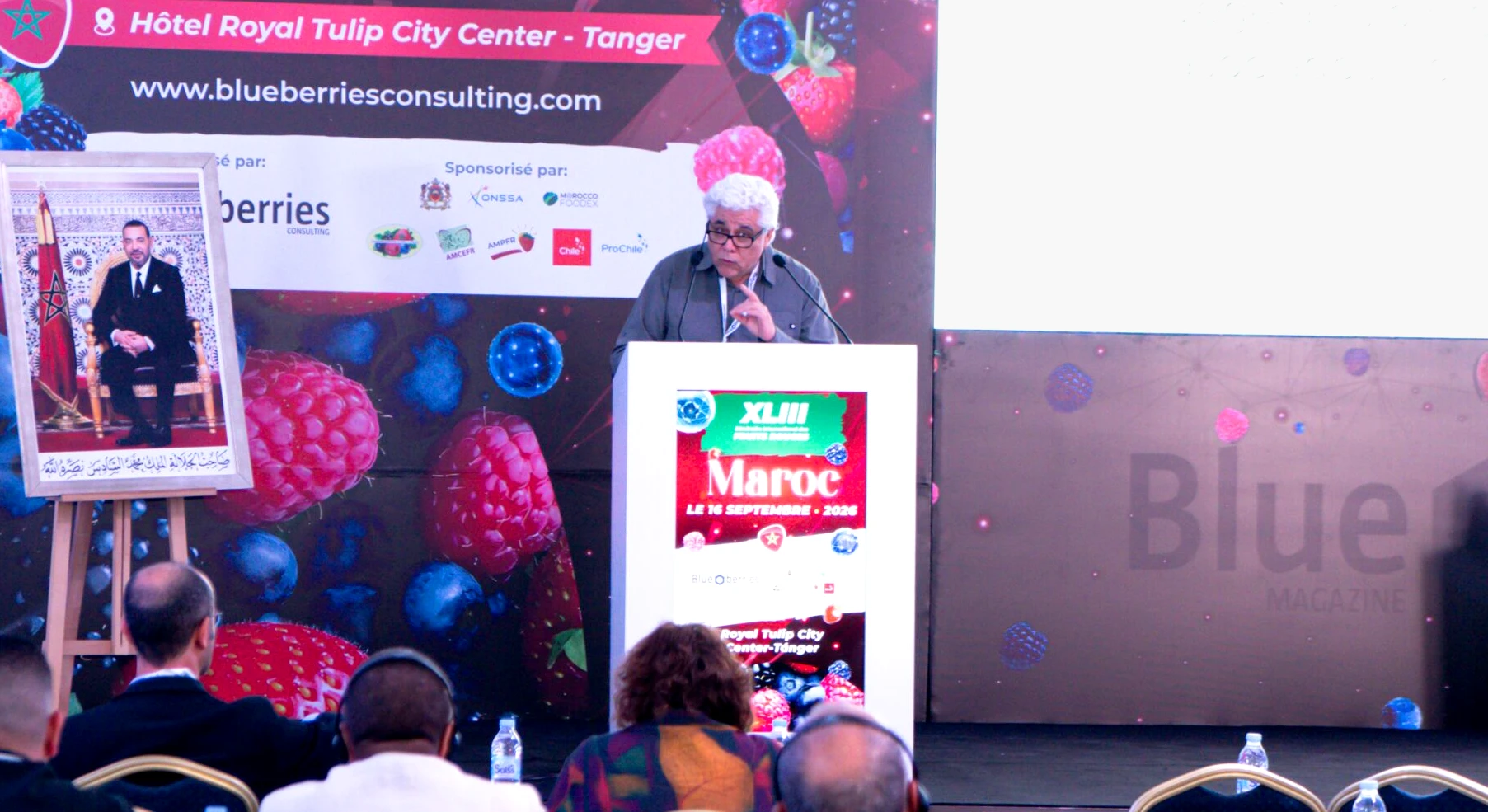
Industry stakeholders analyzed these dynamics during the 43rd International Soft Fruit Seminar, held on September 16 in Tangier. The event, organized by Blueberries Consulting, addressed several key challenges for the sector: local production and marketing, global trade flows, genetics and nutritional management, precision water management, cuticle-related stress, and pre-harvest growth regulators.
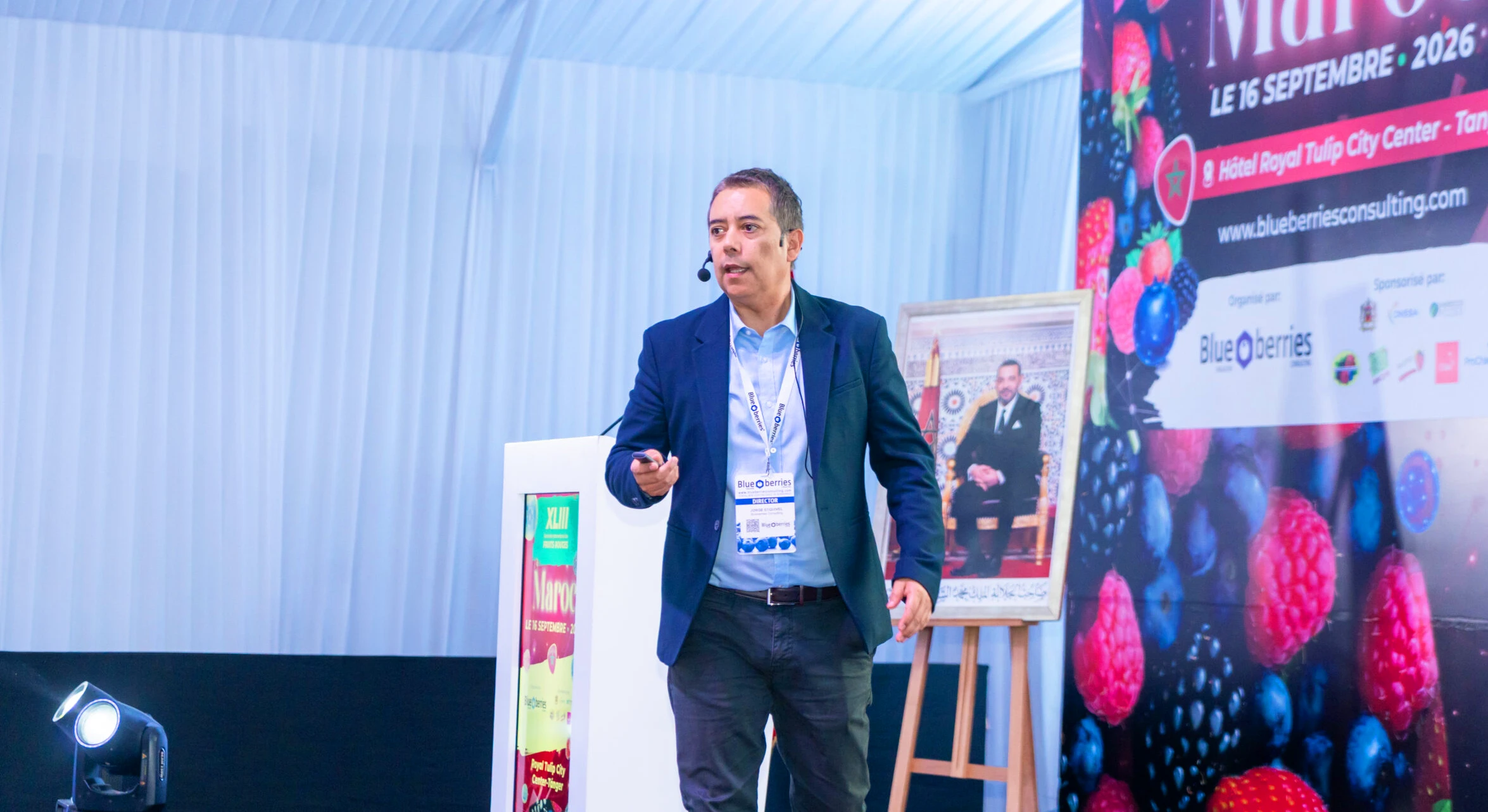
Jorge Esquivel Manterola, director of Blueberries Consulting, explains that the agenda is built from the specific needs of the industry.
“We maintain a constant and direct dialogue with Moroccan producers and exporters, as well as with numerous recipients in Europe,” he notes. “Through these conversations and our visits throughout the year, we identify the sector’s main pressure points and structure the program around them. This is how we have worked in each edition.”
In 2026, water availability and varietal renewal top the list of priority issues, according to Esquivel Manterola.
“The market offers a wide range of cultivars, and the producer must choose from this vast selection, directly assuming the commercial risk of that decision. Therefore, one of the central components of the 43rd edition program is to provide producers with tools and technical knowledge that allow them to make decisions with as much information as possible.”

Nutrition is another pillar that requires special attention from producers.
“A solid nutritional strategy is essential in producing areas like Morocco,” says Esquivel Manterola. “This involves the use of biostimulants and properly adjusted nutritional programs.”
Morocco closed the 2025/26 season with 89.000 tons of fresh blueberries exported, 6% more than the previous year. However, these figures mask a more complex reality: according to a representative of the producers, the increase in planted area largely compensated for the yield losses.
Esquivel Manterola, however, disagrees with the idea that the 2025/26 season represented a step backward in terms of performance.
“The contraction was marginal in terms of volume, at least for blueberries, and producers saw better profitability. It was by no means a bad season.”
He adds that the effects of the weather were not uniform either.
“Some producers were negatively affected, while others even benefited, and the aggregate figures reflect precisely that reality. The same positive performance is also observed in export volumes, considering that practically all production is destined for international markets.”
In terms of competitiveness, Esquivel Manterola believes that Morocco maintains a favorable position, despite the emergence of new competitors such as Egypt.
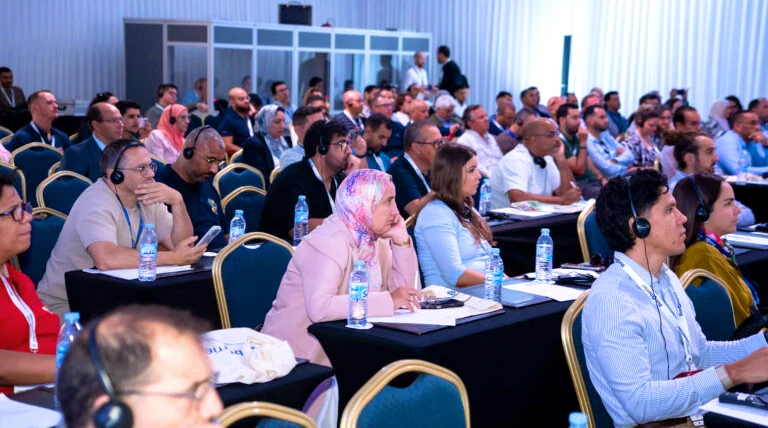
XLIII International Seminar on Red Fruits Morocco 2026. © Blueberries Consulting

“Morocco has an advantage and, therefore, must protect its market position,” he says. “It has a highly developed logistics platform, a world-class port, and a large base of producers willing to learn and receptive to technical information. That is a real strength.”
Egypt, on the other hand, “is just beginning its development trajectory. It remains to be seen whether Egyptian producers are willing to embrace knowledge transfer. Morocco can easily compete, even on costs.”
Regarding labor, one of the main challenges mentioned by the seminar attendees, Esquivel Manterola points out:
“I am aware that the availability of agricultural workers is increasingly limited. However, the selling prices of Moroccan blueberries should allow for better wages and the integration of the workforce into this growth. In this way, the industry can remain competitive.”
Competition from China also impacted Morocco's latest export campaign, displacing Moroccan fruit from the Russian market.
Esquivel Manterola comments:
“We are all watching China closely. The trajectory of its production and exports will ultimately become a global issue. Just as China has entered the Russian market and nearly twelve other markets, Morocco has been forced to open up other destinations, including the United States. It is reasonable to take precautions, but the answer is to compete.”
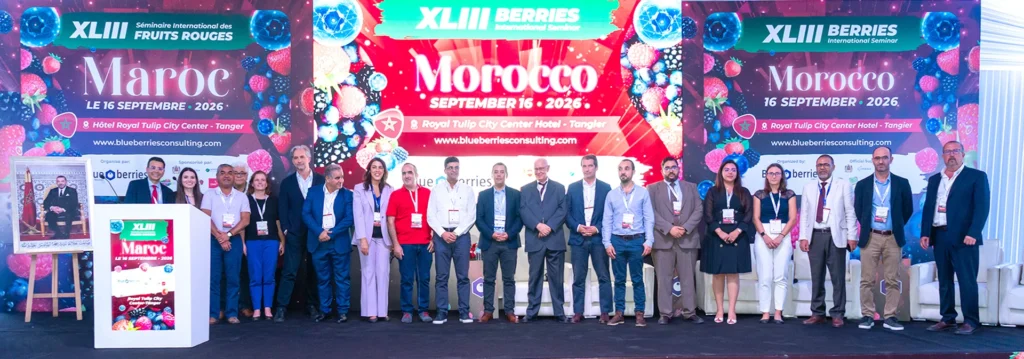
XLIII International Seminar on Red Fruits Morocco 2026. © Blueberries Consulting

Pressure will increase as volumes grow. The IBO Global Blueberry Report 2026, published by Blueberries Consulting, projects that Moroccan production could grow by nearly 70% by 2029, from a base of approximately 85.000 tons in 2025, making it the main source of projected supply growth in Southern Europe and North Africa.
Last year's production reached 84.940 tons, 18,4% more, on a planted area of 6.800 hectares, of which 5.800 were in production.
The growth came mainly from a larger productive area and not from an increase in yield, which averaged 14.645 kilos per hectare.
Spain and the United Kingdom accounted for around 77% of the 82.590 tons exported that the IBO recorded for 2025. In addition, heavy rains between November 2025 and January 2026 delayed harvests by up to three weeks in the north of the country, restricting European supply and raising average prices.
With more land coming into production, the timing of market entry and the choice of destinations will become increasingly important for exporters.
Esquivel Manterola concludes with an optimistic outlook:
“We see that events like the International Red Fruit Seminar mobilize and involve industry stakeholders. Every time I come to Morocco, I believe the sector can continue to improve and compete.”
Read also:
- Berry by-products: from fiber and polyphenols to new products
- Varieties for different windows: the technical tour visits fields in Morocco
- The quality of berries in Morocco is also defined after the harvest
- Tangier focuses on the blueberry challenge: growing without putting pressure on the market
- From production to packing: the Tangier trade fair area brings together solutions for berries
- Morocco begins the new agricultural season with less moisture and pressure on water reserves
- Morocco could produce nearly 70% more blueberries by 2029
ARTÍCULOS RELACIONADOS