In Morocco, they are looking for alternatives to the Tangier-Algeciras route for the export of berries.
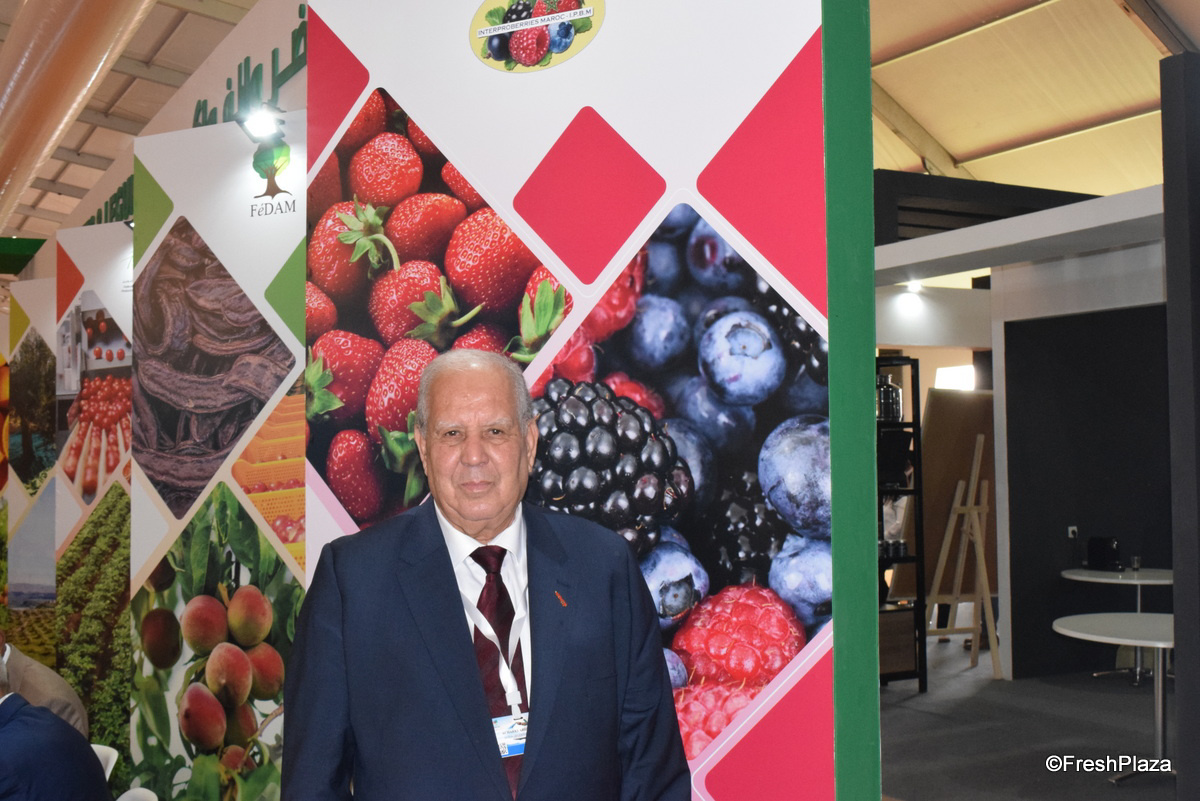
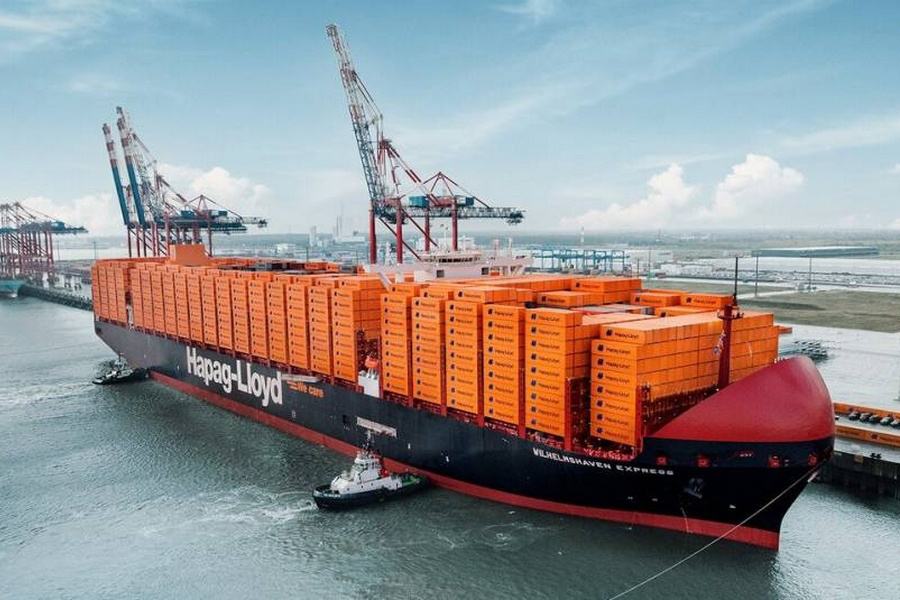
The sector berries Morocco continues to struggle to find viable alternatives to the Tangier-Algeciras route, the main outlet for Moroccan exports. berries towards Europe. "We have explored several options, but none have materialized," says Abdeslam Acharki, director of Interproberries. "The sector continues to look for alternatives, as congestion at the port of Algeciras is a recurring problem every season."

“Until recently, there were very attractive options, with minimal transit times and efficient port operations,” Acharki adds, citing the port of Motril. “Unfortunately, we can no longer export through Motril for reasons we haven’t fully understood. The Tangier-Algeciras corridor is now the main option, if not the only one, but the volume of traffic causes substantial losses during peak export periods.” berries, especially of blueberries"The peak season for which is between March and April."

Interproberries representatives have approached several ports, including the Port of Barcelona, which is notable for its proximity to the rail network. "We also met with the authorities at the Port of Cádiz last October, which seems to be the most promising solution so far, along with other ports, and we are waiting to see if these contacts bear fruit," Acharki continues.
The recent opening of the port of Nador has allowed for the saving of valuable transit time on the route between the Eastern region, a producing area of berries increasingly relevant, and the port of Tangier. However, according to Acharki, congestion remains a persistent problem for exporters on the other side of the Mediterranean.
“We are managing to meet the quality challenge despite difficult growing conditions, but transport and logistics also affect the quality and freshness of the fruit. It’s something people tend to forget as soon as they get past a port bottleneck,” he concludes.
Read also:
- Morocco is approaching 90 tons of blueberries and is gaining ground in Europe
- Morocco could produce nearly 70% more blueberries by 2029
- The quality of berries in Morocco is also defined after the harvest
- Morocco has an advantage in blueberries, but must protect its position
- Morocco Data Club: data to anticipate the blueberry market
next article
ARTÍCULOS RELACIONADOS