The Jumbo variety of Blue Maldives blueberry confirms its adaptability to different countries around the world
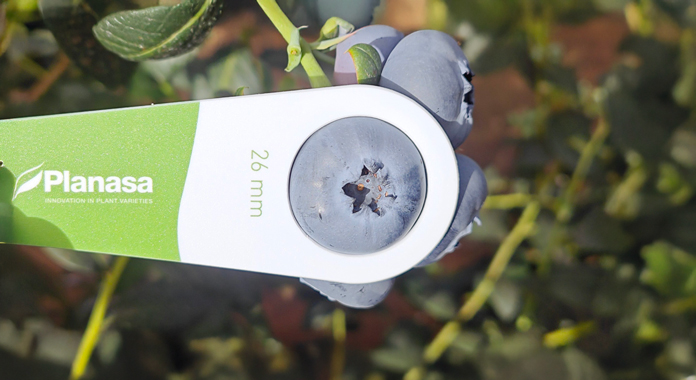
In a context where international markets increasingly demand premium fruit (large size and excellent flavor) combined with high yields, variety selection has become a strategic decision for blueberry growers. As a result, the Blue Maldives variety, developed by Planasa, continues to gain prominence in diverse regions around the world.
From Mexico to China, and other locations such as Morocco or South Africa, farmers with very different agronomic realities agree on the high yield, fruit quality and productive efficiency of this genetics.
Blue Maldives in Mexico: productive efficiency and profitability in Ahualulco
In Ahualulco, Mexico, the experience with Blue Maldives has also been a turning point for local producers. After working with different varieties and facing problems with plant health and insufficient quality for export markets, the search for a more efficient alternative led to the adoption of Blue Maldives.
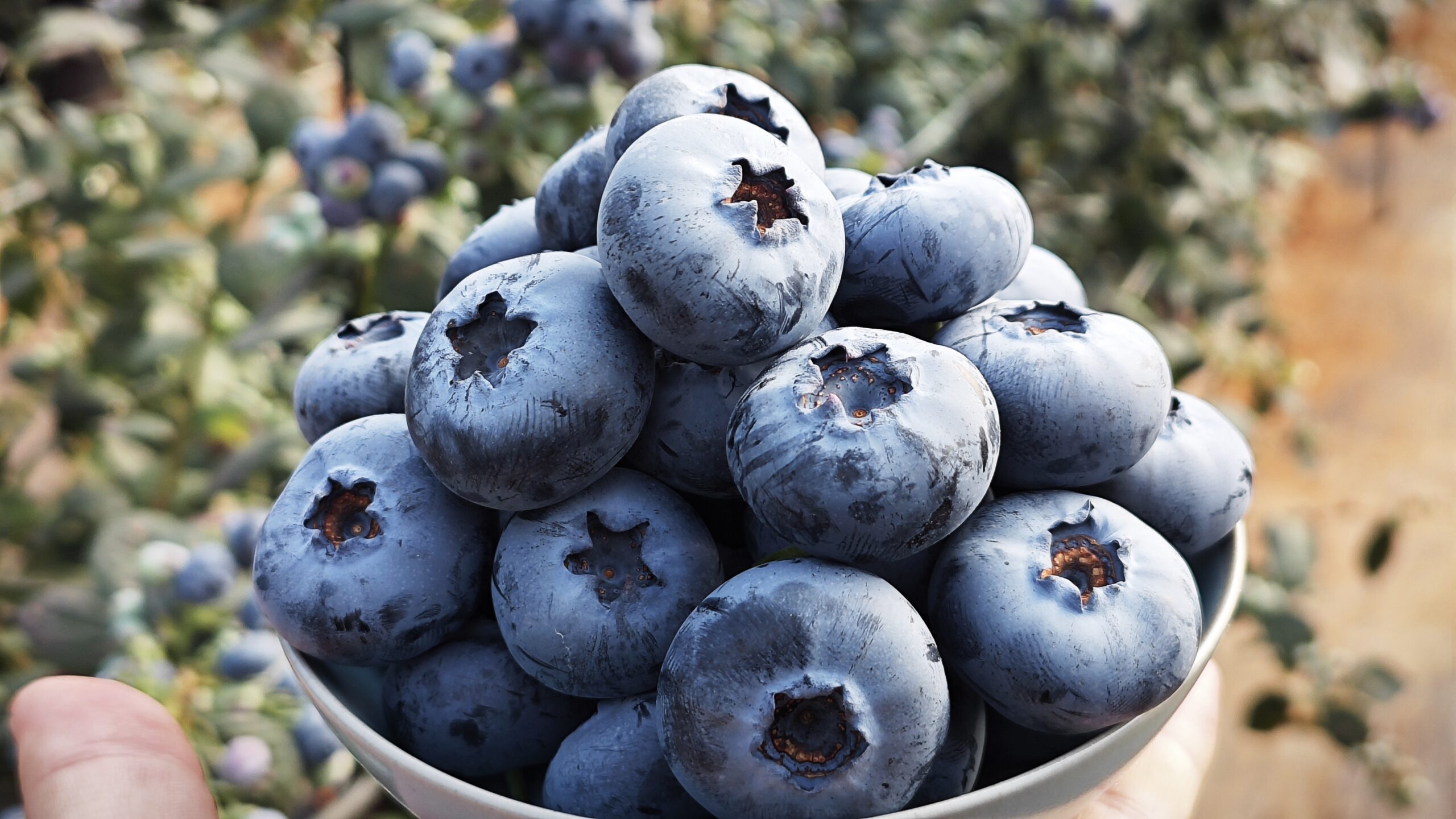
According to José Urbina, this variety stands out for its large fruit size, excellent firmness, sweetness, and flavor—essential qualities for international trade. Between 60 and 80% of the production consists of jumbo fruit, guaranteeing a harvest that is almost entirely exportable.
Another distinguishing feature is its plant architecture. Unlike other varieties that develop very large bushes, Blue Maldives exhibits more controlled growth, allowing the plant to concentrate its energy on fruit production.

“A single bunch of Blue Maldives can be productively equivalent to dozens of branches of previous varieties that produced smaller sizes,” Urbina points out.
This efficiency is further enhanced by its early maturity: just 150 days after pruning, the plants are already in full production. In addition, input requirements are lower, both in terms of nutrition and phytosanitary applications, thanks to its low susceptibility to pests and diseases.
In terms of water consumption, the differences are also significant: while Blue Maldives requires around 200 liters per hectare, other varieties can reach 600 liters, making this genetic a more sustainable and profitable option.
The harvest is another advantage. The large size and uniformity of the fruit make fieldwork easier, allowing for more kilos to be harvested per day and optimizing labor.
Adaptation to local conditions has been accompanied by continuous technical work with Planasa engineers, with regular visits to adjust nutrition programs, detect possible problems and optimize crop management.
For José Urbina, the conclusion is clear: "It is a very productive variety that will not fall short in production."

Outstanding performance in high-altitude areas in China
In China's Yunnan province, Xiaobao Ge, head of Yunnan Baoming Agriculture, manages a 30-hectare farm located almost 1.900 meters above sea level, an altitude that decisively marks the organoleptic profile of the blueberry.
“At this altitude, the fruit tastes better, more aromatic and sweeter, and the fruit is also crispier. Compared to lower altitude areas, the performance is much more outstanding,” he explains.
Before opting for Planasa's genetics, the team conducted a thorough evaluation process, comparing different varieties and analyzing their performance under varying growing conditions. Ultimately, several factors tipped the scales in favor of Blue Maldives:
- Its high productivity.
- The high percentage of large-sized fruit.
- Good disease resistance, which facilitates crop management.
“But the most important thing is that the overall economic performance is very positive,” he emphasizes.
During field evaluations, the fruit sizes obtained were one of the most striking aspects. Even in early stages of ripening, the fruit reached sizes 18+ and 20+, with over 80% of the production exceeding 22mm. Measurements also recorded fruit of 25+ and even 27mm, confirming the high percentage of large fruit.
“I really like Blue Maldives overall and I am very satisfied with its performance,” he concludes, also wishing that Planasa producers in other countries continue to reap good results.
© Planasa
Planasa: genetics geared towards performance and international markets
Planasa continues to consolidate its position as a global leader in the development of new berry varieties, focusing on improvement programs that combine fruit quality, agronomic efficiency and sustainability.
These testimonials from producers in China and Mexico, in addition to the good performance in other countries such as Spain, Morocco, Peru and South Africa, reflect how varieties like Blue Maldives are contributing to improving the profitability of farms and responding to the demands of the most competitive markets, reinforcing the role of genetics as one of the key pillars for the future of the blueberry sector worldwide.
ARTÍCULOS RELACIONADOS