The new 12.5% US tariff hits Peruvian blueberries and threatens their global leadership
By: Natalia Rubio Iversen
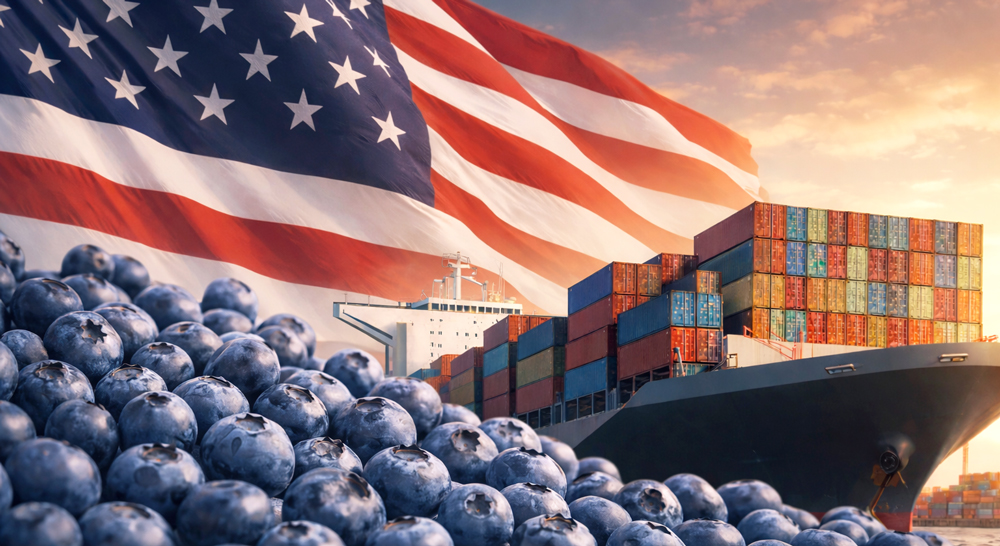
Peru's agricultural export industry has just suffered its hardest blow in decades. The United States government has officially implemented a 12.5% tariff, abruptly ending the historic "Zero Tariff" benefits established in the bilateral Free Trade Agreement (FTA). This measure leaves blueberries, the flagship crop that propelled Peru to the top of the global agricultural market, in an extremely vulnerable position.
A direct blow to the heart of the agribusiness
The Trump administration's decision replaces the temporary 10% tariff that had been under consideration and is based on an aggressive policy of reviewing global supply chains. Although negotiations by the Ministry of Foreign Trade and Tourism (Mincetur) managed to save and exclude more than 2000 Peruvian tariff lines from the tax, the three main drivers of the national agricultural sector were not so fortunate: blueberries, fresh grapes, and asparagus will be subject to the full tariff.

The impact on domestic companies is immediate and profound. According to projections from the Lima Chamber of Commerce (CCL) and ComexPerú, the critical implications for the sector are concentrated in three points:
First, the loss of competitiveness. The 12.5% tax will increase the cost of importing Peruvian fruit, forcing producers to absorb the losses or raise prices, thus losing ground to direct competitors.
Furthermore, there is a critical dependence on the North American market; the United States currently absorbs 57% of the total volume of blueberries that Peru produces, implies diverting such a large quantity of fresh fruit to other destinations in the short term, something that is logistically almost impossible.
Finally, it will have a multimillion-dollar financial impact: In the first half of this year alone, combined shipments of blueberry and grapes generated over US$1100 billion in revenue. The new tariff translates into hundreds of millions of dollars in direct tax surcharges on companies' cash flow.

The "blue gold" giant put to the test
This trade storm is unleashed precisely when Peru holds the undisputed title of the world's leading exporter of blueberries, concentrating more than 41% of the planet's supply with shipments exceeding 412,000 tons annually.
Large corporations that lead the agricultural sector in the country now face the challenge of urgently reconfiguring their operational and financial plans. Agricultural sector analysts describe this scenario as an "unprecedented tariff shock" that will force a severe re-engineering of costs in the valleys of La Libertad, Ica, Lambayeque, and Piura.

The cards on the table: diversification or crisis
Faced with the new international landscape, agricultural associations and specialists are demanding an aggressive contingency strategy from the Executive Branch focused on two escape routes: an immediate shift towards Asia and Europe and the reduction of internal costs.
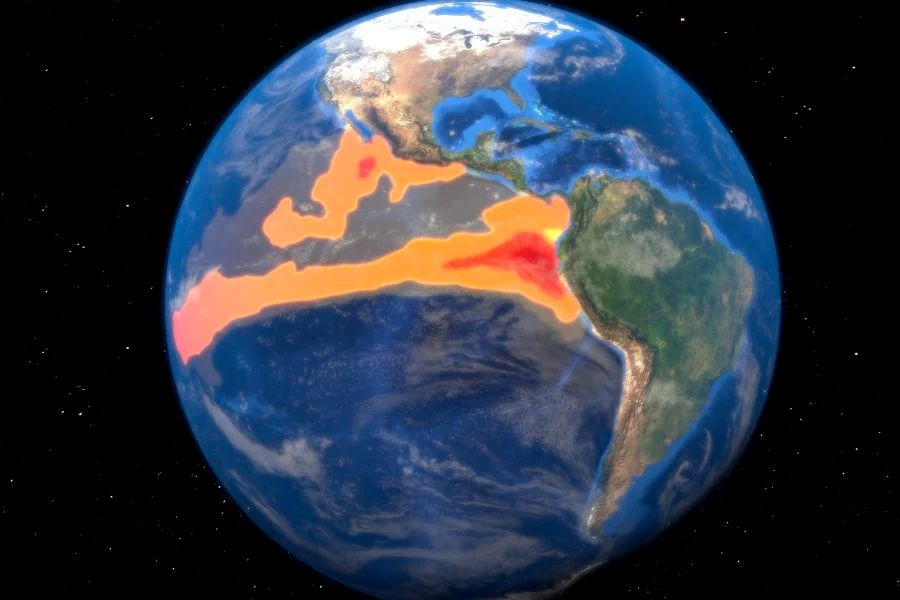
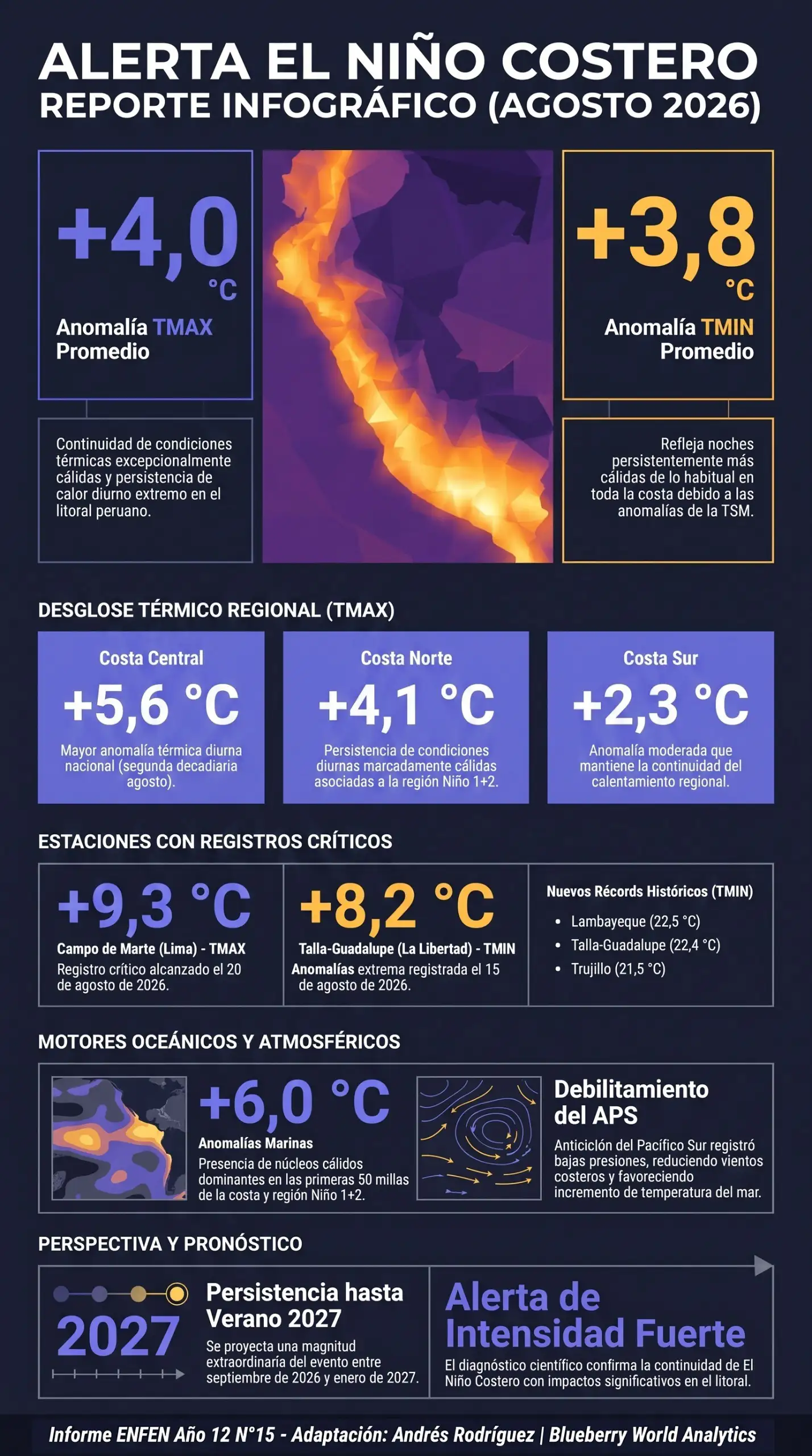
Peruvian blueberries have demonstrated remarkable resilience in the face of severe climate crises such as El Niño. However, this new tariff barrier imposed by its main buyer will truly test the adaptability of the industry that revolutionized Peruvian agriculture.
Read also:
- Luis Miguel Vegas: “Peru is a strategic ally for the US”
- Peruvian ambassador to the United States strengthens alliances to boost exports
- Morocco reorganizes its blueberry season: pressure in Russia and opportunity in the United States
- Morocco: the new competitive frontier of the global blueberry
- International Blueberry Seminars 2026: Blueberries travel through Peru, Chile, Mexico, Morocco and China
ARTÍCULOS RELACIONADOS