Cuna de Platero develops blueberry genetics based on the needs of the producer
By: Natalia Rubio Iversen
The supply of new blueberry varieties continues to grow, but having more genetics available doesn't necessarily simplify the grower's decision. Each variety must demonstrate how it performs under the conditions where it will be grown and what it actually contributes to the production system.
At Cuna de Platero, the process begins with the needs of its farmers. From there, the cooperative evaluates the available genetics and also develops its own materials, seeking alternatives that respond to the production realities of its members.
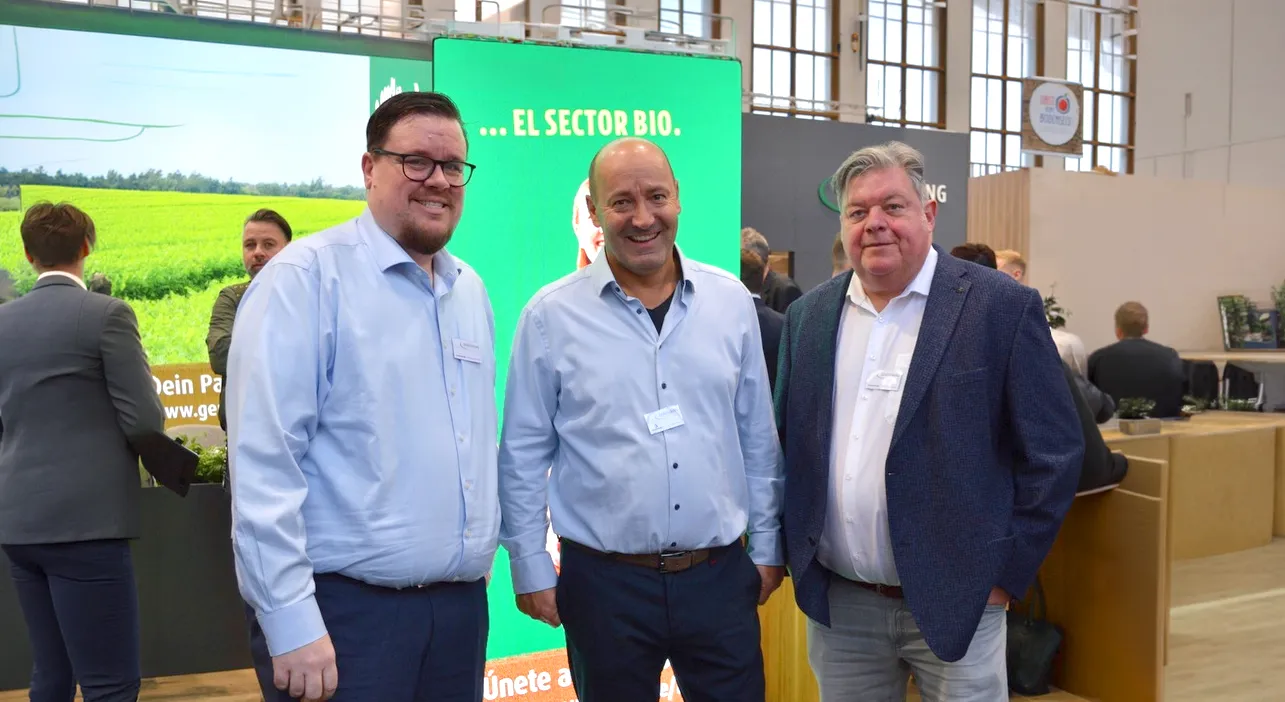
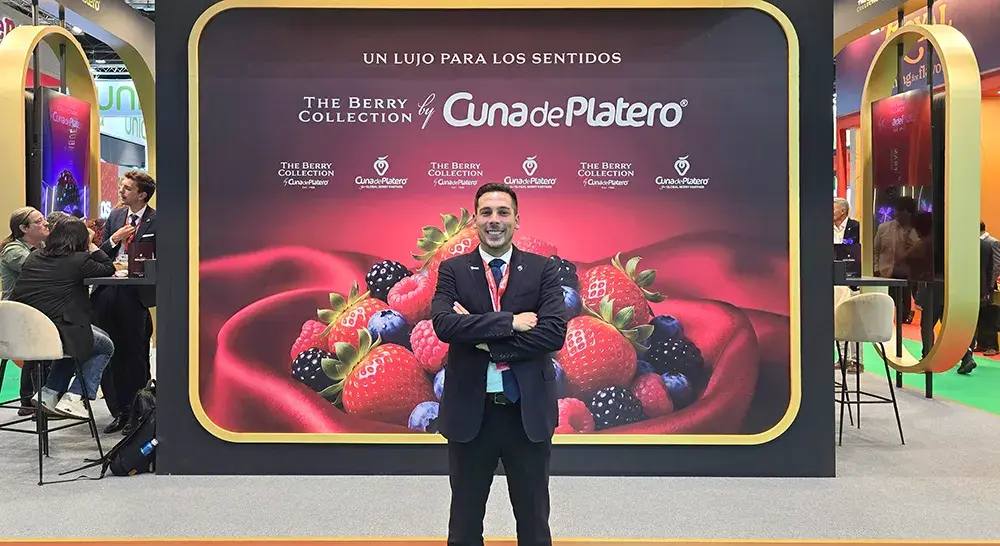
Francisco del Rosal, head of R&D&I at Cuna de Platero, explained to Blueberries Consulting during Fruit Attraction 2026 how the cooperative organizes this work between evaluation, selection and varietal development.

The selection process begins with a production need.
For Cuna de Platero, the starting point is the problems and needs they observe among their farmers. This information guides both their search for varieties available on the market and their own breeding programs.
Del Rosal explains that the objective of the varietal work is directly linked to the cooperative's producers. Developing their own variety is not necessarily the first step: they also first observe what materials already exist and what possibilities they offer under their production conditions.
The cooperative works with genetics from different programs, evaluating their performance before sharing that information with farmers. Before deciding which material to incorporate, the priority is to understand how it performs in the field.
Evaluate before choosing
Varietal evaluation allows for the comparison of alternatives and the generation of information before making a recommendation. In this process, Cuna de Platero combines external materials with its own developments.
To organize some of this work, the cooperative has an experimental farm dedicated to the varietal development of blueberries and blackberries. Trials that were previously distributed among cooperative members' fields are now concentrated there, while maintaining a link with the members' production experience.
The tests allow for a comparison of the behavior of the materials before moving forward with a varietal recommendation.
External genetic evaluation coexists with the cooperative's own improvement program, which seeks to respond to specific needs identified by the cooperative and its producers.

“A very local and very collaborative breeding program”
Del Rosal sums up that way of working in one sentence: “We do very local and very collaborative breeding.”
Del Rosal links this local character with the needs and conditions of the cooperative's producers, while the collaborative dimension incorporates the experience of the partners into the evaluation and development process.
The experimental farm allows for concentrating part of the process, while the relationship with farmers keeps the R&D work connected with the decisions that will later have to be made in the orchards.
This program has yielded proprietary materials such as Cupla, a blueberry variety developed by Cuna de Platero. Its development now allows us to observe another part of the process: what happens when a material developed based on local needs begins to be evaluated under different production conditions.
Cupla expands its assessment beyond Huelva
During 2026, the R&D team at Cuna de Platero monitored Cupla's performance outside of Spain, with technical work in Brazil and Mexico.
In Brazil, the team toured trials, commercial plantations, a nursery, and a plant laboratory to observe the variety's development at different stages of cultivation. After the visit, Del Rosal noted that they had been able to verify "the variety's excellent performance and its adaptation to the region."
The observation corresponds to the monitoring carried out by the cooperative itself and provides information on Cupla's behavior under those specific conditions.
Mexico is also part of this process. Throughout the year, Cuna de Platero visited production areas in Puebla, Michoacán, and Guanajuato to observe Cupla's performance under conditions different from those in Huelva and to gather information from producers working with the variety.
The evaluation outside of Huelva opens a new phase for Cupla: to check how the material responds when production conditions change and to expand the information available for future varietal decisions.
Read also:
- Juan Luis Becerril at Fruit Attraction: “Our obsession must be that the customer makes money”
- Fruit Attraction 2026: Chilean blueberries redefine their competitiveness through genetics, condition, and new markets
- Miguel Ángel Curiel: “Consumer experience is now the main criterion for selecting new varieties”ç
- Spain, Italy and Portugal are accelerating their blueberry imports
ARTÍCULOS RELACIONADOS