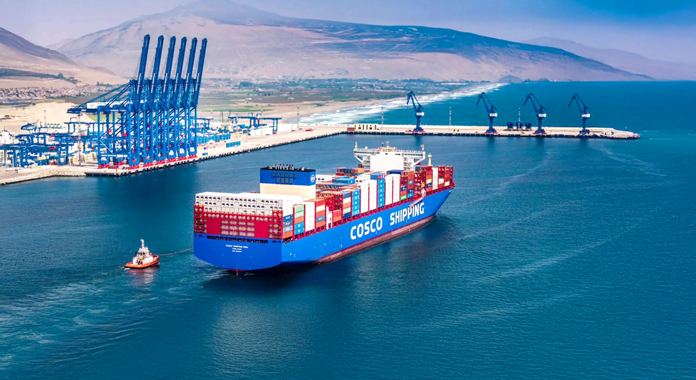
COSCO SHIPPING launches "economical" maritime-postal link to Peru
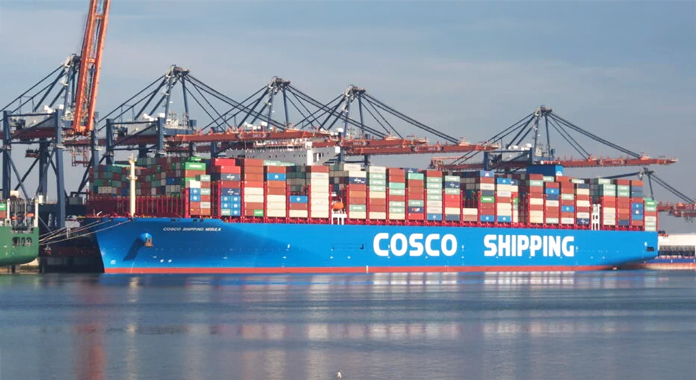
In a move aimed at reducing logistics costs for South American consumers, COSCO SHIPPING has launched a new distribution channel combining ocean freight and postal service. The route connects Shanghai with the recently opened Port of Chancay, creating a direct flow for cross-border e-commerce goods that, until now, relied heavily on air freight.
The service marks the first time that Chinese e-commerce products have entered the Peruvian market through an integrated maritime + postal scheme.

Less dependence on air transport
Historically, Peruvian shoppers faced higher costs because e-commerce packages were shipped almost exclusively by air. The new direct Shanghai-Chancay service leverages the economies of scale of maritime transport to offer a more affordable and predictable alternative.
Integrated delivery: once the ships arrive in Chancay, Serpost (Peru Post) takes custody of the cargo and manages customs clearance and last mile distribution to the consumer's address.

Price effect: The shift from air to sea is expected to open up room for lower final costs in categories such as electronics, household goods, and clothing of Chinese origin.
Greater supply stability: by operating with scheduled calls, the scheme aims for a more constant flow, mitigating stockouts associated with the variable capacity of air cargo.
Chancay as a new gateway
The Port of Chancay, which completed its first year of operations at the end of 2024, has quickly established itself as a key hub within the Asia-Latin America corridor. Its deep-water berths and automated systems allow it to handle volumes crucial to the growth of e-commerce, at a level that other smaller regional ports cannot always accommodate.
The collaboration with Serpost is part of a broader logistics innovation strategy by COSCO SHIPPING, which seeks to translate infrastructure investment into concrete improvements for trade and consumers.
Beyond e-commerce, the corridor has also impacted export logistics: it is already cutting the transit time of Peruvian agricultural exports — such as blueberries and avocados — to China to 23 days.
Previous article
Floods in northern Morocco affect blueberry producersARTÍCULOS RELACIONADOS