South African blueberries: increased European demand and port difficulties mark the 2026/27 season
By: Martin Carrillo
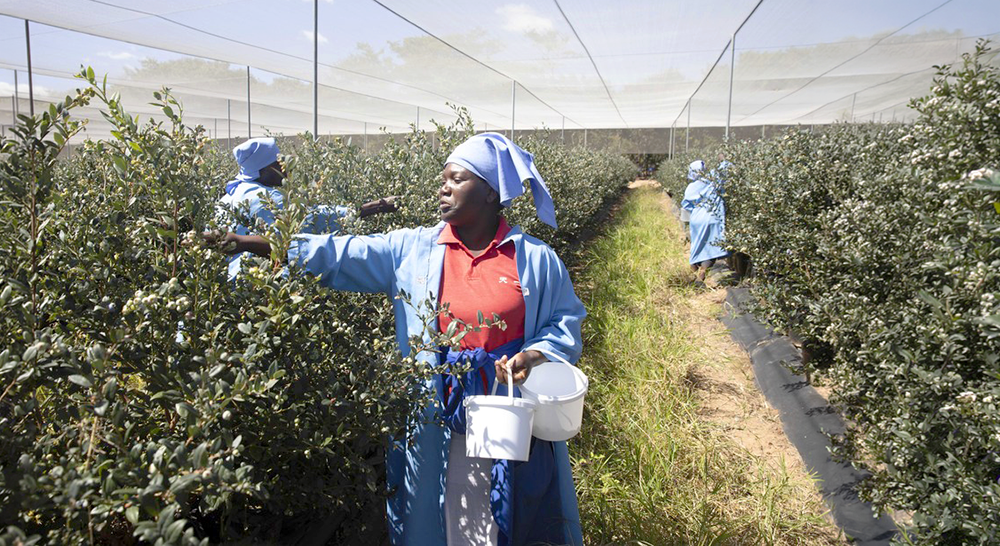
The South African season of blueberries The 2026/27 season is progressing according to export forecasts, although trade difficulties in the Middle East and port disruptions due to wind continue to affect its development. This was stated by Brent Walsh, CEO of Berries ZA, in comments published by the International Blueberry Organization (IBO).
According to Walsh, cumulative shipments through week 44 remained in line with industry projections. No significant frosts were recorded in the northern growing regions, while intermittent rains in the south have required adjustments to field schedules.
As the season progresses, production shifts from the northern regions towards the Western Cape, where a significant portion of the activity is concentrated during the second half of the campaign. This shift is also accompanied by a process of varietal renewal, with older varieties being replaced by new genetic alternatives aimed at improving productivity.

Europe and the United Kingdom reinforce their commercial importance
Trade difficulties in the Middle East have prevented the achievement of the planned targets for that region, while Europe and the United Kingdom are registering increased demand for blueberries South Africans, according to Berries ZA.
According to the IBO's Global Blueberry Report 2026, South Africa exported 29.950 tons of blueberries Fresh during the 2025/26 campaign, compared to 26.300 tons in the previous season, a growth of close to 14%.
The Netherlands was one of the markets that increased its purchases the most, going from 7.760 to 11.120 tons, while the United Kingdom received 10.280 tons, compared to 9.380 tons in 2024/25. Together, both destinations accounted for approximately 71,5% of the exported volume.
The Netherlands also plays a strategic role as a distribution platform, from where some of the imported blueberries It is sold in other European markets.
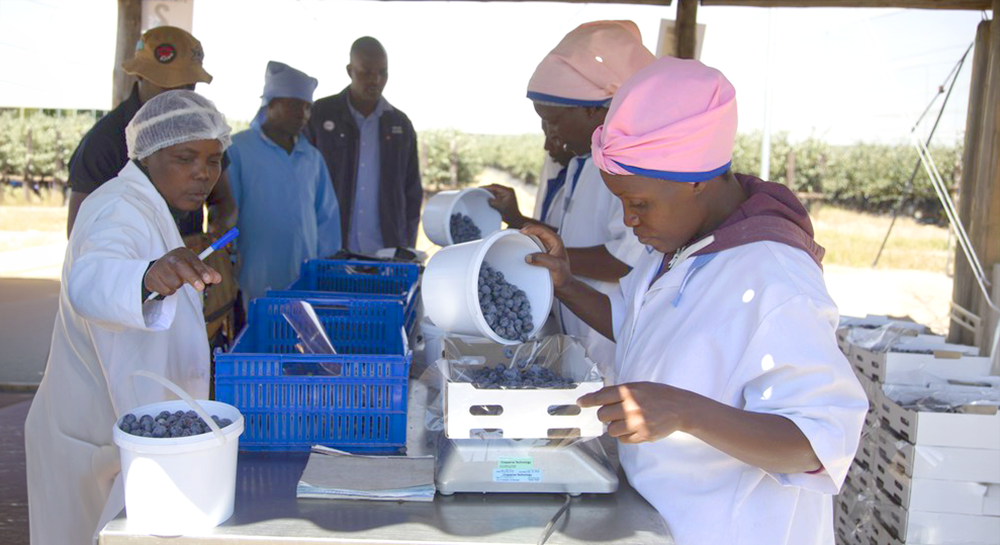
Workers pack blueberries at a farm in Marondera, Zimbabwe, © Shaun Jusa/Xinhua

The wind is once again complicating port operations
Wind-related disruptions at the Port of Cape Town continue to affect shipping operations. According to Walsh, Berries ZA is in discussions with terminal operators to address these difficulties and improve service continuity.
The IBO's Global Blueberry Report 2026 documented cases of South African operators who, during 2025, recorded between 55 and 60 days from harvest to the arrival of blueberries in Europe, including an exceptional case of 72 days.
The current difficulties are occurring despite operational improvements reported in August by South African authorities. An AgriSA and Agbiz report published in October indicates a reduction in the average vessel waiting time in Cape Town, from approximately 115 to 44,3 hours, according to data provided by South African authorities in August.
In the case of blueberryDelays prolong the period between harvest and marketing, requiring rigorous temperature management to preserve the firmness and shelf life of the fruit.
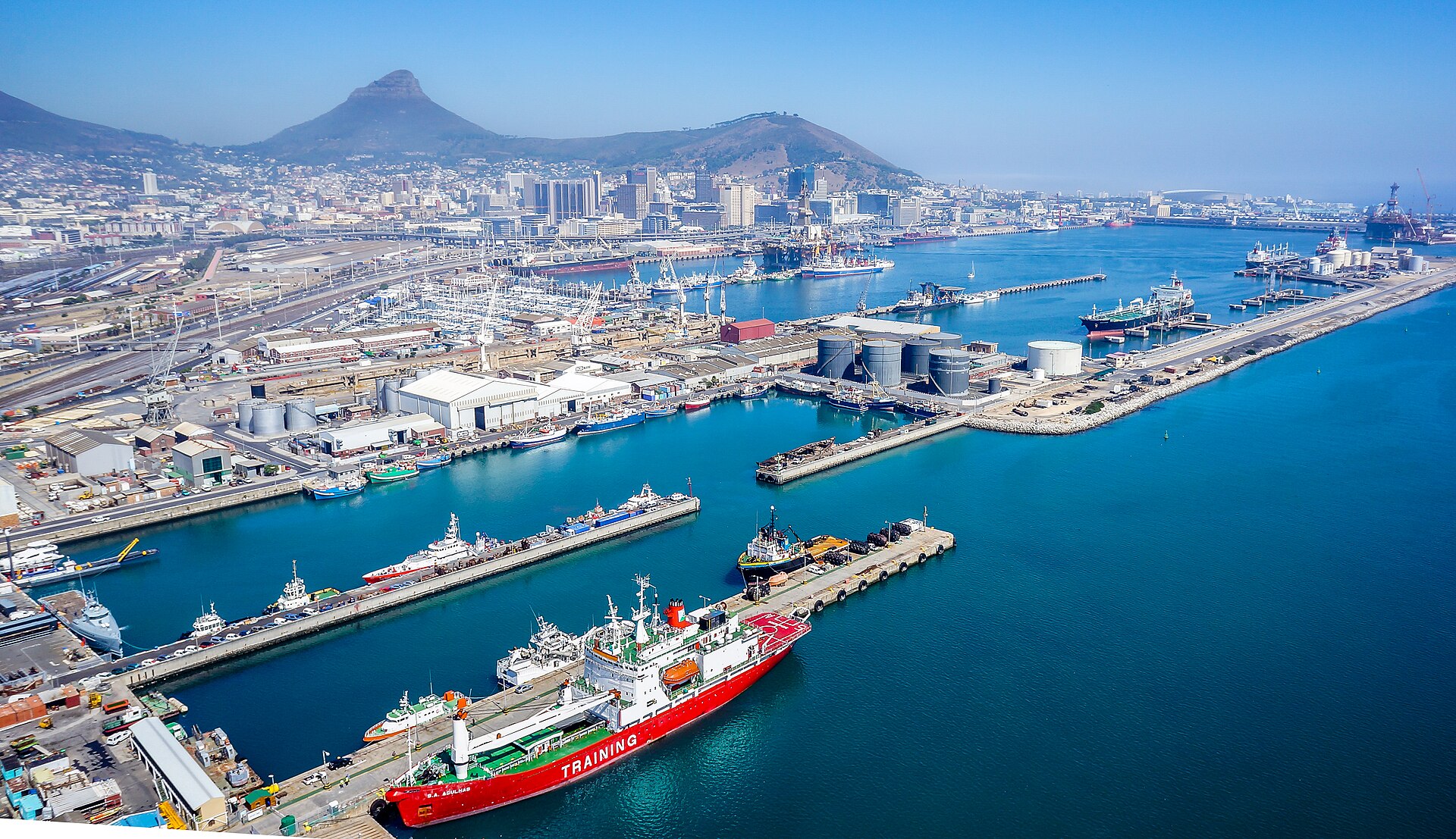
Port operations and vessels docked at the Port of Cape Town, South Africa
Business outlook for the end of the campaign
During October, European operators reported lower availability of blueberries Peruvians and high prices in certain market segments, conditions that coincided with the presence of South African fruit in Europe.
With shipments on schedule through week 44, South Africa is maintaining its export targets while Berries ZA works with port operators to improve the continuity of shipments.
Read also:
- South Africa begins blueberry season with improved export prospects
- Netherlands: Differences in firmness and shelf life of blueberries complicate their marketing
- Blueberries in Spain: foreign supply marks the transition towards the new Huelva campaign
- Málaga Fruit Day: more blueberries and better genetics raise the logistical demands
- AgroBerries aims to expand its blueberry exports in Asia
ARTÍCULOS RELACIONADOS